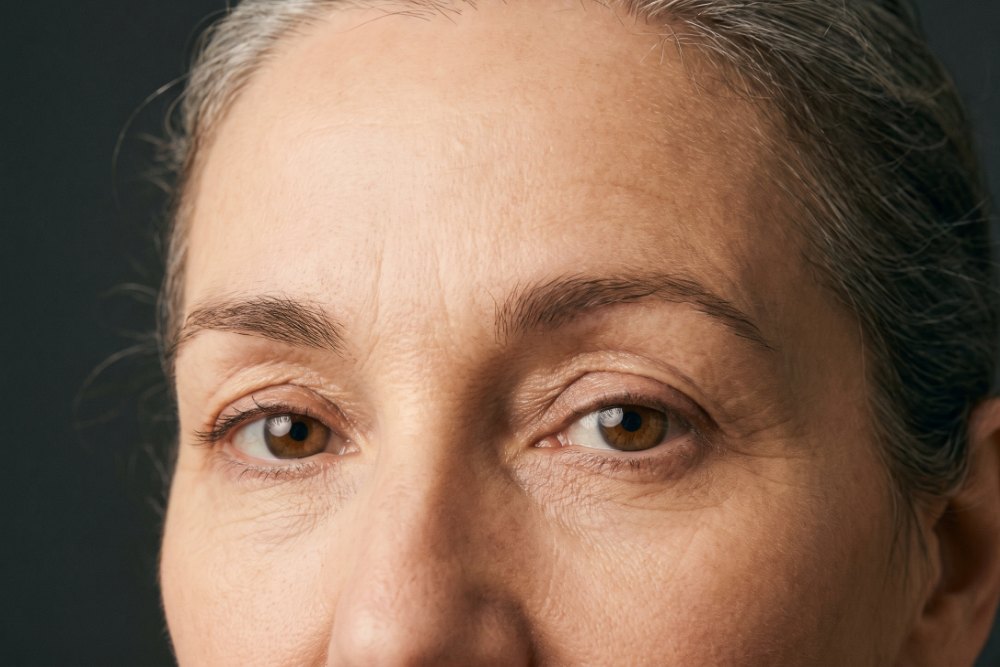
Also called upper blepharoplasty. A measured amount of skin, and sometimes a little fat, is removed from heavy or hooded upper lids.
What it is
With time, the skin of the upper eyelid loosens and can fold down over the lid, sometimes onto the lashes. Upper eyelid surgery removes that extra skin through a cut hidden in the natural crease of the lid.
The operation
Your surgeon marks the crease with you sitting up, so both sides are planned to match. A measured strip of skin is removed, and sometimes a little fat from the inner corner. Fine stitches close the wound.
Both eyes are usually done together, in about an hour, under local anaesthetic.
Medical or cosmetic
For some people, heavy lids hang low enough to block the top of their vision. For others, the concern is how the eyes look, or how tired they feel by the evening.
Your surgeon will tell you which applies to you, and whether an insurer might fund it.
What it does not do
It does not lift a low brow, raise a drooping lid or smooth the lines around the eyes. Each of these can look similar and needs a different treatment, which is why the consultation comes first.
Who it can help
It may suit you if heavy upper lids are what you notice most, and you are otherwise well.
- Skin folds onto your lashes, or hides the lid itself
- Your lids feel heavy, especially by the evening
- Hooded lids block the top of your vision
- Your eyes are not persistently dry or sore
It is not always the answer. A low brow or a weak eyelid muscle can look the same and needs a different operation. That is what your consultation is for.
Recovery and risks
Everyone heals at their own pace. This is a typical course, and your surgeon will tell you what to expect in your case.
The first two days
Swelling and bruising are at their most noticeable. Rest with your head raised and use cold compresses.
The first week
Your eyes may feel tight or gritty. The stitches come out at about seven days, at a short clinic visit.
Weeks two and three
Bruising fades. Many people are back at work and comfortable being seen.
Three to six months
The scar settles and softens in the crease. Your final review is around this time.
Possible risks
Every operation carries some risk. For upper eyelid surgery these include:
- Dry or irritated eyes, usually temporary
- A small difference between the two sides
- A visible or thickened scar
- Infection or bleeding, which are uncommon
- Very rarely, a change in your vision
Your surgeon will go through the risks that apply to you, and give you written information to take home.
Insurance
Upper eyelid surgery is sometimes covered when heavy lids affect your vision. Cosmetic surgery is not.
Your surgeon can arrange a visual field test to support a claim. Check your cover with your insurer before your consultation.
Questions patients ask
Does it hurt?
The local anaesthetic stings for a few seconds, then the area goes numb. Afterwards most people need only paracetamol. Sedation is available if you would rather be drowsy.
Will there be a scar?
Yes, but it sits in the natural crease of the lid. It is pink at first and fades over several months. Your surgeon will talk you through how scars tend to heal on your skin.
Can both eyes be done at once?
Usually, yes. Most people have both upper lids treated in the same operation.
Is it covered by insurance or the NHS?
Sometimes, when heavy lids block your vision. Surgery for appearance alone is not covered. Your surgeon will say which applies and can arrange a visual field test to support a claim.
How long does it last?
The skin that is removed does not grow back, but your face keeps ageing naturally. Some people consider further treatment many years later.
When can I wear make-up or contact lenses?
Usually after about two weeks, once the wound has healed. Your surgeon will confirm this at your follow-up.