B02 – Header
B06 – Footer
B07 – Hero

Replace with your main headline.
Replace with one sentence on who the clinic helps and who they see.
GMC No. 0000000 · CQC registered · Clinics in your area
B08 – Subpage hero
Replace with the page title.
Replace with about 25 words introducing this section.
B09 – Procedure hero

- Operation time Replace with a short fact
- Anaesthetic Replace with a short fact
- Hospital stay Replace with a short fact
- Stitches out Replace with a short fact
- Back to work Replace with a short fact
- Fees Replace with a short fact
B10 – Condition Hero
Block tests
Replace with about 30 words introducing this section.
B11 – Consultant hero
- GMC number 0000000
- Specialist register Replace with a short fact
- Qualifications Replace with a short fact
- Memberships Replace with a short fact
- NHS post Replace with a short fact
- Clinics Replace with a short fact
B12 – Condition Hero
Block tests

admin
Author’s job title
B13 – Trust bar
- Care Quality Commission Registered clinic
- General Medical Council Specialist register
- Qualification Full name of the college
- Membership Full name of the society
- Insured or self-pay Replace with the insurers you work with
B14 – Stats
- 0 Replace with what this number counts
- 0 Replace with what this number counts
- 0 Replace with what this number counts
- 0 Replace with what this number counts
B15 – Reviews (rebuilt)
What patients say.
“She explained every option, including doing nothing, and never once made me feel rushed.”
“Calm, precise and completely straightforward about what to expect.”
“The written plan answered every question I thought of afterwards.”
Replace with one line about the reviews, for example that they come from verified patients.
B16 – Review widget
B17 – Medical reviewer box
Medically reviewed by Consultant name, qualifications
Job title. GMC No. 0000000.
Last reviewed Month Year. Next review due Month Year.
B18 – Awards / accreditations
Memberships and recognition.
Replace with one line about these memberships. Each plate shows its name until you add a logo: a PNG or SVG at least 400 pixels wide on a transparent background.
- Organisation 1 Membership or award
- Organisation 2 Full name of the organisation
- Organisation 3 Full name of the organisation
- Organisation 4 Membership or award
B19 – Image + text
Replace with a heading about the consultant.
Replace with about 20 words introducing this section.
Replace with about 20 words.
- Qualifications Replace with a short fact
- Registration GMC No. 0000000, specialist register
- NHS role Replace with a short fact
- Clinics Replace with a short fact
Who it can help.
Replace with one line introducing the list.
- List item 1: one short point
- List item 2: one short point
- List item 3: one short point
- List item 4: one short point
Replace with about 30 words.
B20 – Overview / rich text
Replace with the section heading.
Subheading 1
Replace with about 40 words about this item.
Replace with about 15 words.
Subheading 2
Replace with about 30 words about this item.
Replace with about 20 words.
Replace with about 20 words.
Replace with the section heading.
Subheading 1
Replace with about 25 words about this item.
Replace with about 20 words.
Subheading 2
Replace with about 10 words about this item.
- List item 1: one short point
- List item 2: one short point
- List item 3: one short point
- List item 4: one short point
- List item 5: one short point
Replace with about 20 words.
B21 – Table of contents
B22 – Patient journey
What happens, step by step.
Replace with about 15 words introducing this section.
-
Consultation
Replace with about 15 words about this step.
-
Your plan
Replace with about 15 words about this step.
-
Surgery
Replace with about 15 words about this step.
-
Aftercare
Replace with about 15 words about this step.
B23 – FAQs
Common questions.
Replace with the answer in two or three short sentences.
Replace with the answer in two or three short sentences.
Replace with the answer in two or three short sentences.
Replace with the answer in two or three short sentences.
Replace with the answer in two or three short sentences.
B24 – Before and after
Before and after.
Replace with one line, for example that patients gave their permission.
Before
After
Before
After
Replace with about 25 words.
B25 – Video
Watch and listen.
Replace with one line about the films.
B26 – Biography
About the consultant.
Replace with about 25 words.
Replace with about 25 words.
- QualificationsReplace with a short fact
- RegistrationGMC No. 0000000, specialist register
- MembershipsReplace with a short fact
- NHS postReplace with a short fact
B27 – Post body
A first consultation usually takes about 30 minutes. Here is what happens, and what to bring.
Before you arrive
Bring a list of any medicines you take, and your glasses if you wear them. If you have old photos showing how your eyelids used to look, bring those too: they help show what has changed.
During the appointment
Mr Ashworth will ask about your symptoms, examine your eyelids and, if needed, check your vision. He will then explain:
- what is causing the problem
- whether surgery is likely to help
- what the operation and recovery involve
You are never asked to decide on the day. You go home with written information and time to think.
Afterwards
You receive a letter summarising what was discussed, and a written fee if you choose to go ahead.
B28 – Glossary
Glossary of terms.
Replace with about 10 words introducing this section.
A
Adnexa
The parts around the eye: the eyelids, the tear glands and tear ducts, and the eye socket.
Anaesthetic, general
Medicine that puts you into a controlled sleep, so you are not aware of the operation.
Anaesthetic, local
An injection that numbs the area being operated on. You stay awake but feel no pain.
Anterior lamella
The front layer of the eyelid: the skin and the muscle that closes the eye.
Aponeurosis
The thin sheet of tendon that joins the eyelid-lifting muscle to the upper eyelid.
Aponeurotic ptosis
The most common kind of droopy eyelid in adults. The lifting tendon stretches or comes loose with age, or after many years of wearing contact lenses.
Astigmatism
The front of the eye is curved more in one direction than the other, so vision is blurred or distorted. A large eyelid lump can cause it by pressing on the eye.
B
Basal cell carcinoma (BCC)
The most common skin cancer on the eyelids. It grows slowly and very rarely spreads, but it should be removed.
Bell’s palsy
Sudden weakness of the muscles on one side of the face. It can stop the eye from closing fully.
Benign
Not cancer. A benign lump does not spread to other parts of the body.
Biopsy
Removing a small piece of tissue so it can be examined under a microscope.
Blepharitis
Inflammation of the eyelid edges, making them sore, itchy, red or crusty. It is common and often long-term, but it can be kept under control.
Blepharoplasty
Surgery to remove extra skin, and sometimes fat, from the upper or lower eyelids.
Blepharospasm
Blinking or closing of the eyes that you cannot control, caused by overactive muscles around the eyes.
Botulinum toxin
A medicine injected in tiny doses to relax overactive muscles. It is used for blepharospasm and hemifacial spasm, and for lines around the eyes.
Brow lift
An operation to raise a low or drooping eyebrow. Also called a browplasty.
Brow ptosis
An eyebrow that sits lower than it should, pushing skin down onto the upper eyelid.
C
Canaliculi
The two tiny tubes that carry tears from the inner corner of the eyelids to the tear sac.
Canthopexy
An operation that tightens the outer corner of the eyelids to support a loose lower lid.
Canthus
The corner of the eye, where the upper and lower eyelids meet. The inner corner is the medial canthus; the outer corner is the lateral canthus.
Cellulitis
An infection of the skin and tissue around the eye. Preseptal cellulitis affects only the eyelid; orbital cellulitis goes deeper, behind the eye, and needs urgent treatment.
Chalazion
A painless lump in the eyelid caused by a blocked oil gland. Many settle with warm compresses; some need a small operation.
Cicatricial
Caused by scarring. For example, cicatricial ectropion is an eyelid pulled outwards by scarred or tight skin.
Congenital ptosis
A droopy eyelid present from birth, usually because the lifting muscle did not develop fully.
Conjunctiva
The thin, clear layer that covers the white of the eye and lines the inside of the eyelids.
Conjunctivitis
Inflammation of the conjunctiva, making the eye red, sticky or itchy. It is caused by infection or allergy.
Cornea
The clear window at the front of the eye.
Cryotherapy
Treatment by freezing. It can destroy lash roots that grow the wrong way, or some small growths.
CT scan
A detailed X-ray scan, used to look at the eye socket, the bones around it and the sinuses.
Cyst
A small sac filled with fluid or soft material. Most cysts on the eyelids are harmless.
D
Dacryocystitis
An infection of the tear sac, causing a painful, red swelling beside the nose. It usually happens because the tear duct is blocked.
Dacryocystorhinostomy (DCR)
An operation that makes a new route for tears to drain from the tear sac into the nose, bypassing a blocked tear duct. It is done through a small cut beside the nose or from inside the nose (endoscopic DCR).
Day case
An operation after which you go home the same day.
Dermatochalasis
Extra, loose skin on the upper or lower eyelids, usually because of ageing.
Diplopia
Double vision.
Dry eye
The eyes do not make enough tears, or the tears dry too quickly, leaving the eyes gritty and sore. Dry eyes can also water.
E
Ectropion
An eyelid, usually the lower one, that sags or turns outwards, away from the eye.
Endoscopic
Done with a thin telescope and camera, for example inside the nose, so there is no cut on the skin.
Entropion
An eyelid that turns inwards, so the lashes rub against the eye.
Enucleation
An operation to remove the eye. An artificial eye is fitted afterwards.
Epiphora
A watery eye: tears that spill onto the cheek.
Evisceration
An operation to remove the contents of the eye, leaving its white outer shell. An artificial eye is fitted afterwards.
Excision
Cutting something out, for example removing a lump from the eyelid.
Exophthalmos
Eyes that bulge forward, most often because of thyroid eye disease. Also called proptosis.
Exposure keratopathy
Damage to the front of the eye because the eyelids do not close fully and the eye dries out.
Eyeball
The object in the skull
Eyelid margin
The edge of the eyelid, where the lashes grow.
F
Floppy eyelid syndrome
Very loose upper eyelids that turn out easily, often during sleep. It is linked with sleep apnoea.
Fluorescein
An orange dye used in eye drops to show scratches on the front of the eye, or to check whether tears drain away.
Frontalis muscle
The forehead muscle that raises the eyebrows.
Frontalis sling
An operation that links the upper eyelid to the forehead muscle, so you can lift the lid by raising your brow. It is used when the eyelid muscle is very weak. Also called brow suspension.
G
Graves’ disease
An overactive thyroid caused by the immune system. It can lead to thyroid eye disease.
H
Hemifacial spasm
Twitching that you cannot control on one side of the face, including around the eye.
Histology
Examining tissue under a microscope to find out exactly what it is.
Hooded eyelids
Upper eyelids where a fold of skin hangs over the crease, sometimes down onto the lashes.
I
Incision and curettage
A small operation to drain a chalazion from the inside of the eyelid, so there is no scar on the skin.
Inflammation
The body’s response to injury or infection: redness, swelling, warmth and soreness.
Involutional
Caused by ageing, as tissues stretch and loosen over time. Most ectropion and entropion is involutional.
J
Jones tube
A small glass tube placed at the inner corner of the eye so tears can drain into the nose, used when the tiny drainage channels are badly blocked.
K
Keratitis
Inflammation of the cornea. It can be painful and affect your sight.
L
Lacrimal gland
The gland under the outer part of the upper eyelid that makes tears.
Lacrimal sac
The small pouch beside the nose that collects tears before they drain down into the nose. Also called the tear sac.
Lagophthalmos
Being unable to close the eyelids fully, so part of the eye stays uncovered.
Lateral tarsal strip
An operation that tightens a loose lower eyelid by shortening it and reattaching it at the outer corner. It is often used for ectropion and entropion.
Levator function
How far the upper eyelid’s lifting muscle can raise the lid. It is measured to plan ptosis surgery.
Levator muscle
The muscle that lifts the upper eyelid.
Lower eyelid blepharoplasty
Surgery to reduce bags under the eyes by removing or moving fat, and sometimes removing skin.
M
Malignant
Cancerous: able to grow into nearby tissue or spread to other parts of the body.
Meibomian glands
Tiny oil glands along the edges of the eyelids. Their oil stops tears drying out too quickly.
Melanoma
A less common but more serious skin cancer, which can affect the eyelid.
Mohs surgery
An operation for skin cancer that removes it in thin layers, checking each one under the microscope until none is left, so as much healthy skin as possible is kept.
MRI scan
A scan that uses a strong magnet, not X-rays, to show soft tissue in detail.
Müller’s muscle
A small muscle under the main lifting muscle that helps hold the upper eyelid up.
N
Nasal endoscopy
Looking inside the nose with a thin camera.
Nasolacrimal duct
The tube that carries tears from the tear sac down into the nose. Often called the tear duct.
Nasolacrimal duct obstruction
A blocked tear duct. It causes a watery eye, and sometimes a sticky eye or an infection.
O
Oculoplastic surgery
Surgery on the eyelids, the tear ducts, the eye socket and the face around the eyes.
Ophthalmologist
A medical doctor who specialises in eyes and eye surgery.
Optometrist
A health professional who tests sight, prescribes glasses and contact lenses, and checks the health of the eyes. Often called an optician.
Orbicularis oculi
The ring of muscle around the eye that closes the eyelids.
Orbit
The bony socket that holds the eye, with its muscles, fat, nerves and blood vessels.
Orbital decompression
An operation that makes more room in the eye socket so a bulging eye can settle back. It is most often used for thyroid eye disease.
Orbital septum
A thin sheet of tissue in the eyelid that holds the fat around the eye in place.
P
Papilloma
A small, harmless skin growth, like a skin tag. Common on the eyelids.
Posterior lamella
The back layer of the eyelid: the firm tarsal plate and its lining.
Proptosis
An eye that is pushed forward or bulges. See exophthalmos.
Ptosis
A drooping upper eyelid that sits lower than it should, sometimes over the pupil.
Ptosis repair
An operation to lift a droopy upper eyelid, usually by tightening or reattaching the lifting muscle’s tendon.
Punctal plug
A tiny plug placed in a tear drainage opening to keep more tears on the eye, used for dry eye.
Punctoplasty
A small operation to widen a narrow punctum so tears can drain away.
Punctum
One of the tiny openings at the inner end of the upper and lower eyelid edges, where tears drain away. The plural is puncta.
R
Recurrence
A condition coming back after treatment.
Retina
The light-sensitive layer at the back of the eye.
S
Sedation
Medicine that makes you relaxed and drowsy during an operation under local anaesthetic.
Skin graft
Skin taken from another part of the body, often behind the ear or the upper eyelid, to repair the eyelid.
Squamous cell carcinoma (SCC)
A skin cancer that can affect the eyelids. It is less common than basal cell carcinoma but more likely to spread, so it is removed promptly.
Stye
A painful red lump on the edge of the eyelid, caused by an infected lash root or oil gland. It usually settles by itself with warm compresses.
Sutures
Stitches. Some dissolve by themselves; others are taken out, usually after about a week.
Syringing
Flushing salty water through the tear drainage channels to check whether they are blocked.
T
Tarsal plate
The firm strip of tissue inside each eyelid that gives it its shape and strength. Also called the tarsus.
Tear duct
The small channel that drains tears from the eye into the nose.
Tear film
The thin layer of tears that coats the front of the eye, made of oil, water and mucus.
Thyroid eye disease
A condition of the immune system, usually linked with an overactive thyroid, that makes the tissues around the eyes swell. It can make the eyes bulge, pull the eyelids back and cause double vision.
Trichiasis
Eyelashes that grow inwards and rub against the eye.
V
Visual field test
A test of how much you can see around the edges of your vision. It can show whether heavy or droopy eyelids are blocking your sight.
W
Warm compress
A warm flannel or heated eye mask held on closed eyelids, to soften the oil in blocked glands.
Watery eye
Tears that run onto the cheek, either because the eye makes too many or because they cannot drain away. See epiphora.
X
Xanthelasma
Soft, yellow, fatty patches on the eyelids, usually near the inner corners. They are harmless, but can be a sign of high cholesterol.
B29 – Featured cards (renamed)
Start with what you’ve noticed.
Replace with about 10 words introducing this section.
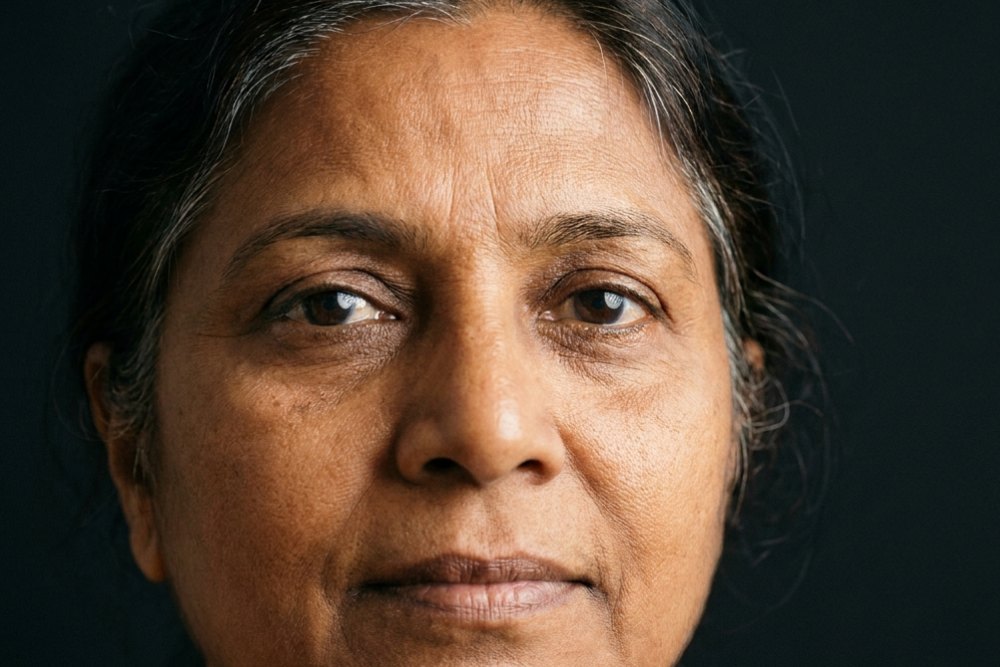
Blocked tear duct
Tears cannot drain from the eye into the nose.

Broken eye socket
A break in the bone around the eye after an injury.

Drooping brow
A low brow that pushes down on the upper lids.

Droopy eyelid
An upper lid that sits low over the eye.

Eyelid cysts
A firm, usually painless lump in the lid.

Eyelid retraction
A lid pulled too high or too low, showing more of the white of the eye.
B30 – Treatments grid
Eyelids

Droopy eyelid surgery
Lifts an upper lid that sits too low.

Eye closure surgery for facial palsy
Helps the eye close fully to protect its surface.

Eyelid cyst removal
Drains a cyst that has not settled with warm compresses.
Eyelid lump removal and reconstruction
Removes a lump, including skin cancer, and rebuilds the lid.

Eyelid retraction surgery
Lowers a lid pulled too high, often in thyroid eye disease.

Inturned eyelid repair
Turns a lid that rolls inwards back into place, so the lashes stop rubbing.

Lower eyelid surgery
Treats under-eye bags that stay, however well you sleep.

Outturned eyelid repair
Tightens a lower lid that sags away from the eye.

Upper eyelid surgery
Removes extra skin from heavy or hooded upper lids.
Eye socket

Broken eye socket repair
Repairs the thin bone around the eye after an injury.

Eye removal and artificial eye
For a painful or blind eye, with care through to a fitted artificial eye.
Eye socket lump biopsy and removal
Diagnoses, and where needed removes, a lump behind the eye.

Orbital decompression
Makes room behind the eye when it is pushed forward.
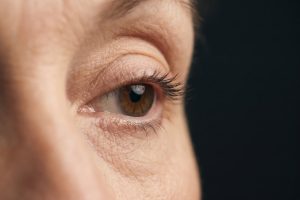
Tear ducts


B31 – Conditions grid
Eyelids
Droopy eyelid
An upper lid that sits low over the eye.
Eyelid cysts
A firm, usually painless lump in the lid.
Eyelid retraction
A lid pulled too high or too low, showing more of the white of the eye.
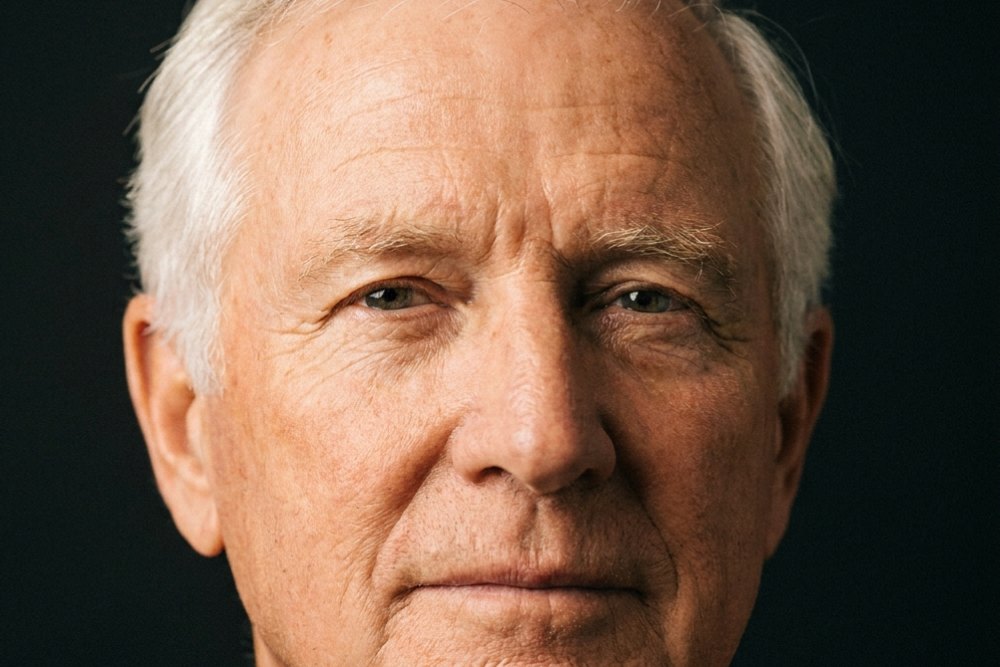
Eyelid skin cancer
A lump or sore on the lid that does not heal.

Eyelid spasm
Blinking or closing of the eyes that you cannot control.

Eyelid turning in
The lid rolls inwards and the lashes rub the eye.

Eyelid turning out
The lower lid sags away from the eye, often with watering.

Facial palsy affecting eye closure
The eye cannot close fully after facial weakness.

Heavy or hooded upper eyelids
Loose upper-lid skin that folds onto the lashes.
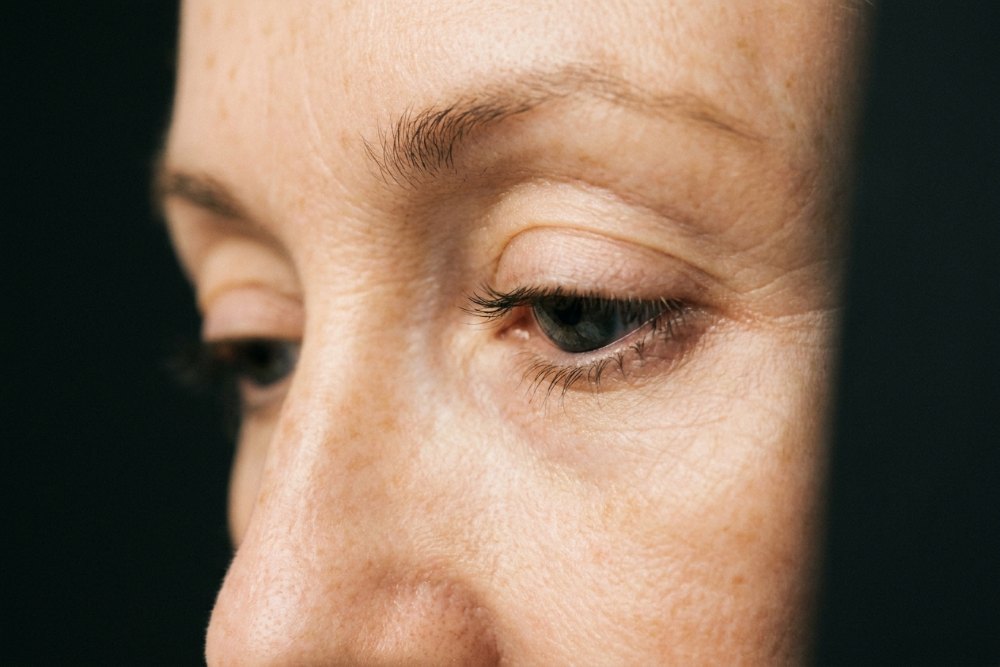
Ingrowing eyelashes
Lashes that grow towards the eye and scratch it.

Under-eye bags
Puffiness below the eyes that does not go away.
Eye socket
Broken eye socket
A break in the bone around the eye after an injury.

Lumps behind the eye
A growth in the socket, often found on a scan.

Painful or blind eye
An eye that cannot see and causes pain.

Prominent or bulging eyes
Eyes pushed forward in the socket.

Thyroid eye disease
Swelling around the eye linked to the thyroid.
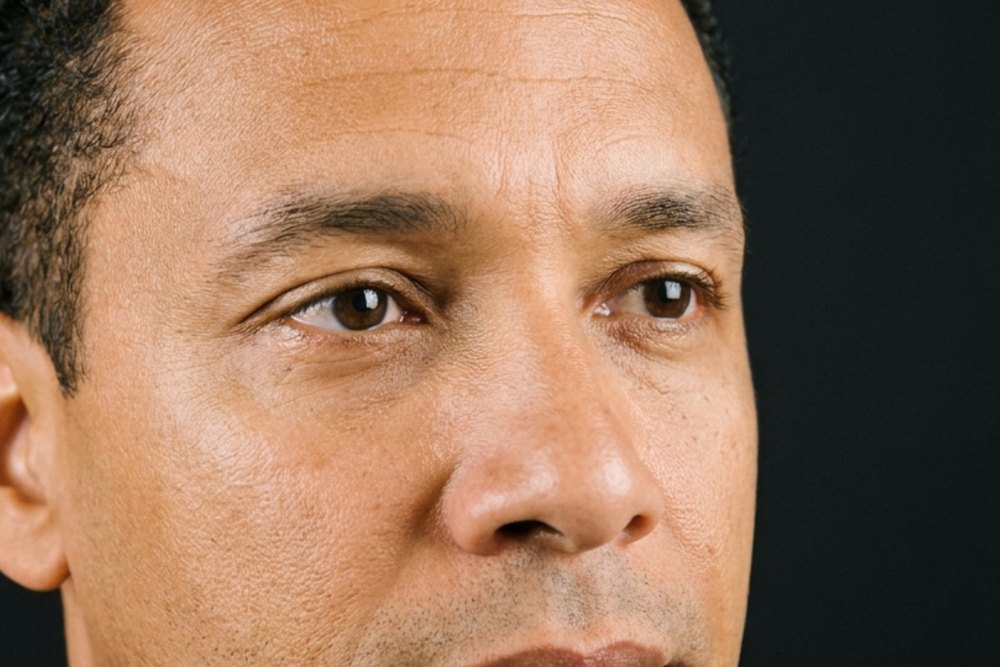
Tear ducts

B33 – Consultant cards
Our consultants.
Replace with about 10 words introducing this section.
B34 – Specialisms
What the consultant treats.
B35 – Related links
Replace with a heading for these links.
Replace with about 10 words introducing this section.
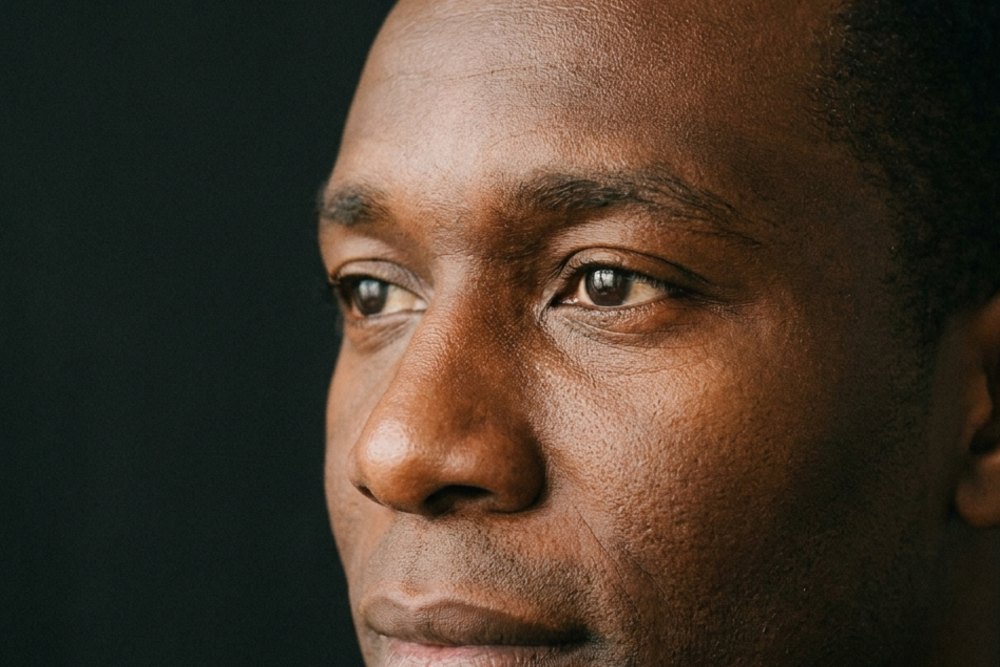
Broken eye socket repair
Repairs the thin bone around the eye after an injury.

Brow lift
Raises a low brow that weighs on the upper lids.
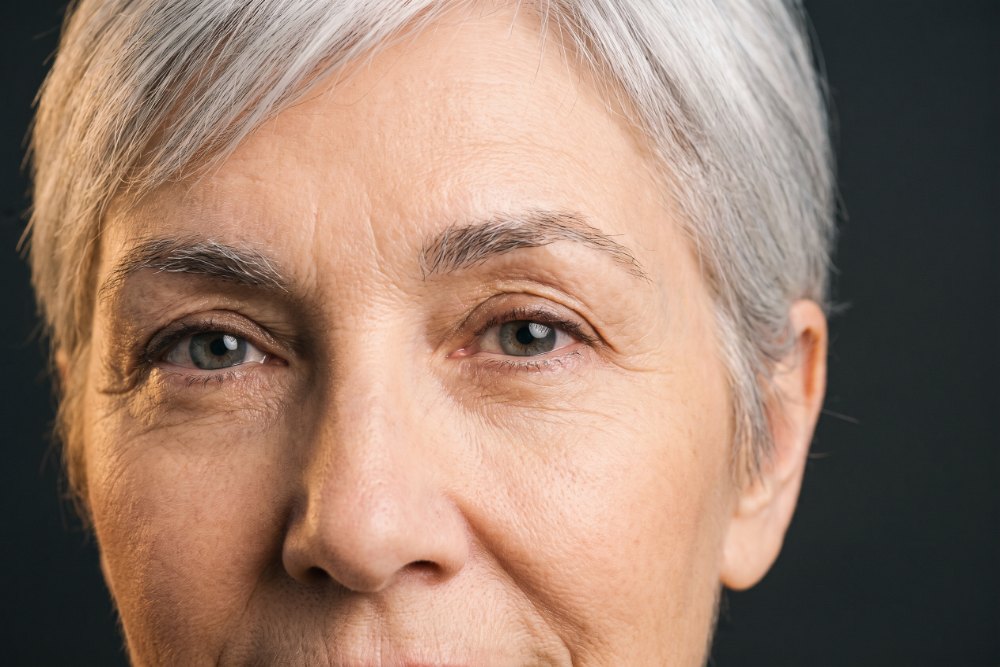
Droopy eyelid surgery
Lifts an upper lid that sits too low.

Eye closure surgery for facial palsy
Helps the eye close fully to protect its surface.

Eye removal and artificial eye
For a painful or blind eye, with care through to a fitted artificial eye.

Eye socket lump biopsy and removal
Diagnoses, and where needed removes, a lump behind the eye.
B36 – Info cards
Information for patients.
Replace with about 10 words introducing this section.
Your consultation
Replace with one line about this page.
Preparing for surgery
Replace with one line about this page.
After your operation
Replace with one line about this page.
Fees and paying
Replace with one line about this page.
Getting here
Replace with one line about this page.
Your questions answered
Replace with one line about this page.
B37 – Leaflets
Leaflets to download.
Replace with about 10 words introducing this section.
B39 – Archive
B40 – Social links
Follow the clinic.
Replace with one line about what you post.
B42 – CTA bands
Talk it through with Consultant name.
Replace with about 15 words introducing this section.
Prefer to talk it through?
Replace with about 15 words introducing this section.
B43 – Fees
Fees.
- Consultation What it includes £XXX
- Treatment name What it includes £X,XXX
- Follow-up appointments What it includes Included
- Stitch removal What it includes Included
Replace with about 30 words.
B44 – Booking slot
Replace with about 15 words.
B45 – Contact form
Your details.
Replace with about 20 words introducing this section.
B46 – Newsletter signup
Patient newsletter.
Replace with about 15 words introducing this section.
B47 – Locations
Where to find us.
Replace with one line about your clinics.
Map: replace this note with a map embed or a map image. Load an embedded map only after the visitor accepts map cookies.